
Powered by Bravenet Bravenet Blog

Tag Board

This tag board is currently empty.

Please type in the four characters shown in the black box.

Wednesday, October 27th 2010

10:45 PM

Increase Your Performance By Choosing Better Running Shoes

If you're a runner or are thinking about taking up a new fitness routine which includes running, it's imperative to both your performance and your safety from injury that you choose the best running shoes for your particular style of training. This might seem like a no-brainer, but you would be surprised at how many people out there-right now-who are running around in shoes which are either improperly fitted, or totally inappropriate for the surface on which they typically run. There are a gazillion options out there for runners of every inclination. So how can you be sure you are choosing the best shoe for your typical running style? Well, fortunately that process is pretty simple as long as you are aware of a few key things to look for. Here are three things check when selecting a pair of running shoes.

1. Special Feet

Do you have special feet? You're probably thinking, "What kind of question is that?" But, in fact, this is a very real and important consideration when choosing a good pair of running shoes. If your foot shape is pretty average, then you really don't need to pay this consideration too much attention, but if you need special support features in your running shoes, then this aspect is critical to keeping you safe from injury. Some common areas where people require special support in their running shoes is in the arches. Are your arches unusually high? Or are you just the opposite with flat feet? Take these characteristics into consideration when shopping for shoes.

2. Where Do You Run?

What type of surface do you typically run on? What kind of terrain do you prefer? Do you tend to include more track & field type workouts into your routine? Or are you training for a marathon? These considerations are extremely important when selecting the right pair of running shoes for your specific needs. Different shoes are made for different purposes regarding everything from the materials the soles are made from to the structural support within the shoe, so choose a pair of shoes that's made for your type of workout.

3. If the Shoe Fits...

Your running shoes simply must fit properly, and this is a subtlety which is over-looked by a surprising amount of people. If your shoes are to small-even just a little bit-and that includes being too narrow, you will experience significantly decreased performance, additional leg fatigue, possible numbness in your feet, and you greatly increase your chance of causing possibly serious, long term injury to your self. The same is true for shoes that are a little too big. Your foot should not slide forward and back or from side to side. Your shoe should fit snugly, without being too tight. If you are not experiencing this exact fit in your preferred running shoes, try another brand or style. Sometimes this makes all the difference when you are trying to find the perfect fit.


Article Source: http://EzineArticles.com/?expert=Vince_Armstrong

0 Comment(s) / Post Comment

Wednesday, October 27th 2010

10:45 PM

A Running Shoes Guide on How to Lace Up

Every running shoes guide out there tells you how to buy expensive scientifically-engineered shoes for one or the other foot flaw you're stuck with. This running shoes guide isn't about buying new shoes. It's about learning how to use the ones you already have, better. That's a bit of a head-scratcher though. What could there be to using a pair of shoes other than thrusting your feet in them and taking off? Actually, there is quite a lot to know about how you do up your laces that can completely change the way you shoes perform on your feet. Let's go for a couple of really challenging foot and shoe problems, and see what laces can do to contribute.

The problem of high arches: if you have high arches, or you have a bony protrusion on the top of your foot, the pressure on your instep is always going to be high no matter which shoes you buy. Lacing up in the following method ought to relieve the pressure. Lace your shoes in the traditional way starting with the eyelets at the bottom. When you get to the fourth pair of eyelets, lace through on the same side for a couple of holes, and then cross over as always. This should give your arch and protrusion a bit of relief.

The problem of laces that keep coming undone: How about picking shoes that don't have laces at all? The North Face Arnuva 50 Boa is a pair of shoes that get tightened with a twist of a knob. They are pricey though; but they solve the problem. Another way to go about it would be to use smart shoelaces with ActiveHold technology. What this means is, they put a rubber core through the entire length of the laces that gives them a kind of grip and elasticity. It makes them stay put when tied up. They come with the added benefit that no matter how tightly you tie your shoes, there'll always be a little give when you exercise really vigorously, so that your feet don't feel too crowded.

Up last on this running shoes guide is a shoelace technique that helps your feet stay put and not slip around inside. All you need to do is to lace up as always, but when you get to the last two eyelets at the top, you need to lace straight through and not criss-cross. Cross over after you get through the top hole and thread the lace by the loop you just made. All you need to do is lace up tightly now, and you should have the grip you need.


Article Source: http://EzineArticles.com/?expert=Kermit_Chandler

2 Comment(s) / Post Comment

Wednesday, October 27th 2010

10:42 PM

Running Shoes and Foot Type - How To Choose The Best Running Shoe by Arch Type

Running shoes and arch type Running shoes provide protection and stability for the feet when running; most of these shoes are made of special materials aimed exclusively at decreasing the amount of shock and stress. For that, your running shoes should be given the utmost priority and attention; you just can't run in any shoe-you have first to learn if it is the right one.

The first and most significant factor is the foot type; everybody has a different physiology and your shoe choice will depend on your foot type. So before purchase any running shoe-you have first to find out your own foot type.

How to determine foot type?

Here are the 4 steps for determining your foot type:

1st step: the wet foot test is the best way for finding out your foot type; the test is simple and can be done in many ways. The basic premise is that you can leave a footprint of your wet foot on a dry surface. To perform the wet test-follow the below instructions.

2nd step: step into a basin full of water with your right or left foot (it doesn't matter which one), make sure your foot is wet, but not too and soaked in water.

3rd step: once the foot is wet, step your foot gradually onto the dry surface for a few seconds before completely picking it up.

4th step: examine the footprint on the dry surface; you should have one the 3 below marks.

The 3 foot types explained

After the wet test, your foot type will fall into one these 3 categories:

- Normal or neutral foot type: you could see a clear and thick band between the heel and the ball of the foot. This type displays a normal and natural running gait. Running shoes with stability are the best choice for the normal-footed runner.

- Flat foot: the footprint is showing almost the entire your foot and it looks like the heel and the ball of the foot are all connected together. This is a clear sign of overpronation and often leads to injuries and lower foot problems. Motion control shoes are the best type for the flat-footed runner.

- The high arch foot: on the other hand, the band linking the heel to the ball of the foot is very light or almost invisible. Underpronation is caused by having this foot type, the foot tends to lean toward the outside, applying extra pressure and stress on the outer edge of the foot and the smaller toes. Running shoes that are equipped with good cushioning properties are the best fit.


Article Source: http://EzineArticles.com/?expert=David_Dack

0 Comment(s) / Post Comment

Wednesday, October 27th 2010

10:40 PM

Welcome to your new Bravenet Blog.

  • Mood: Excited!
You can maintain your blog by logging in to your Bravenet account. Once you are logged in you can customize the layout, colors, and features. In addition, you can add your own links, edit your profile, add your friends, and change many other options to personalize your blog.

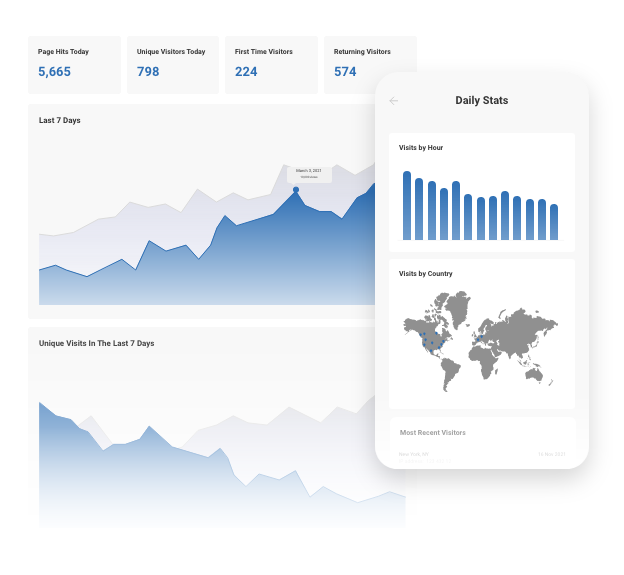
Once you begin using your blog, you can view statistics in your members area to see how many people are reading your blog as well as where they come from.

We hope you enjoy your Blog. Be sure to tell all your friends about this great new service from Bravenet!
0 Comment(s) / Post Comment